Voyage Overview – Southbound Sailing in the Eastern Caribbean
This is report about [Exotic sailing] Sailing POGO12.50 in Caribbean sea, so you can read and have picture fr yourself, how it looks like on breathtaking Caribbean sea. And of course JOIN!
This is our third trip on POGO in Caribbean Sea. Here POGO12.50 in Caribbeans 2023 : Impressions. and POGO44 Caribbean 2025 trip: Impressions. one can read the impressions of our another trips.
In January, we embarked on another Caribbean sailing adventure aboard the POGO 44, this time heading southbound through the Eastern Caribbean. After taking over the yacht and provisioning in Martinique, we set sail the following day toward St. Lucia, marking the start of a fast-paced and varied journey through the Lesser Antilles.
Our first stop was Soufrière Bay, St. Lucia, approached on a pleasant beam reach beneath the dramatic Pitons. Although we did not go ashore, we enjoyed snorkeling and swimming while anchored, before continuing south toward St. Vincent. Along the way, we stopped at Wallilabou Bay, famous both for its pirate history and its role in Pirates of the Caribbean.
Our official entry into St. Vincent and the Grenadines was at Bequia, where we completed customs and briefly explored the island, gaining an impression of its strong maritime heritage and relaxed Caribbean character. From there, we sailed to the highlight of the region—the Tobago Cays Marine Park—where we enjoyed pristine beaches, exceptional snorkeling with turtles and rays, and a classic beach lobster barbecue.
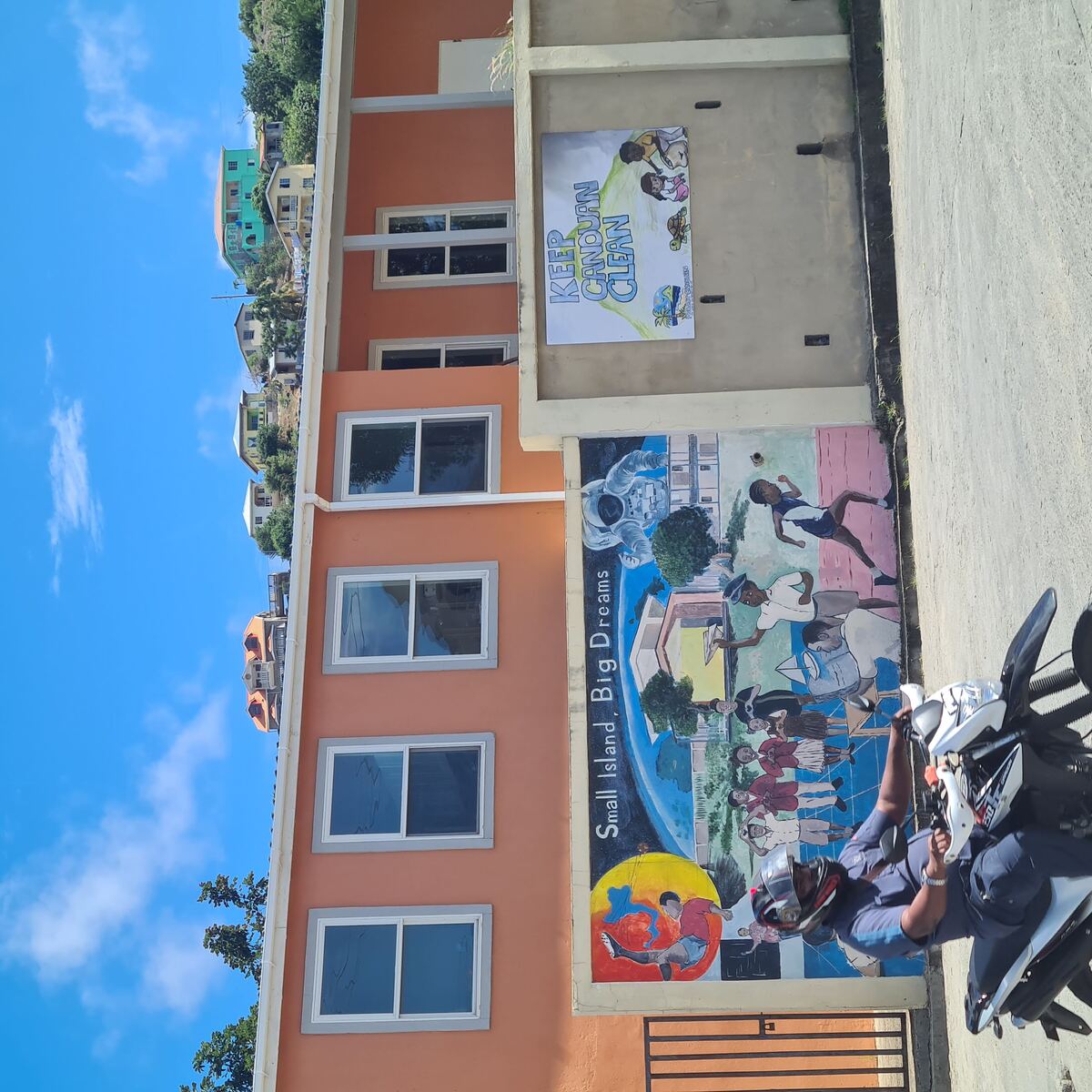
The voyage then shifted in character as we passed Canouan, an understated and promising island, before continuing to glamorous Mustique. An evening at the iconic Basil’s Bar delivered live music, cocktails, and a lively social atmosphere, contrasting sharply with the quiet anchorages we had enjoyed earlier.
With favorable winds, we returned toward St. Vincent, reaching a top speed of 14.6 knots under sail, one of the performance highlights of the trip. After clearing customs again, we turned north for St. Lucia, where strong conditions allowed for fast upwind sailing.
We spent several days exploring St. Lucia, including Soufrière, Anse Chastanet, Marigot Bay, and Rodney Bay, combining snorkeling, hiking, historical sites, and social time with fellow cruisers. Each location offered a different perspective on the island’s natural beauty, colonial history, and vibrant sailing community.
The journey concluded with a return to Martinique, where we wrapped up the trip with a final swim at St. Anne Beach—a relaxed and fitting end to a dynamic Caribbean passage.
Personal Note:
This voyage combined fast sailing, diverse anchorages, and a rich mix of nature, culture, and island life. It served both as a performance-oriented sailing trip and as an inspiring introduction to places that deserve deeper exploration—covered in the chapters that follow.
-
Departure Preparations – La Marin
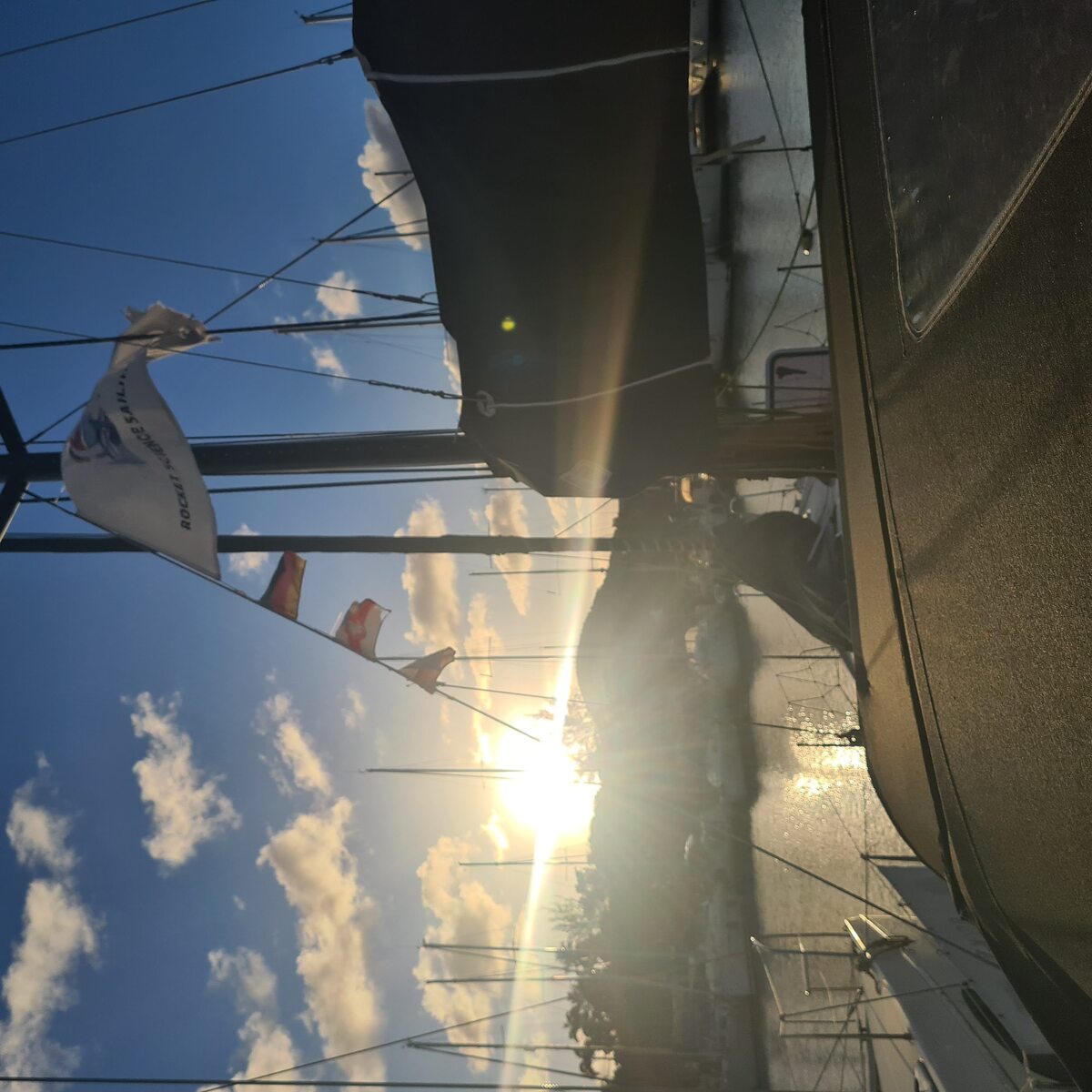
The journey began in La Marin, Martinique, one of the Caribbean’s largest and best-equipped marinas, and a natural starting point for a southbound passage. The day was dedicated to preparation—both practical and procedural—ensuring the yacht and crew were ready for the days ahead.
The morning was spent provisioning, carefully stocking the yacht with food, water, and supplies for the upcoming legs. La Marin’s well-supplied supermarkets and chandleries made this process efficient, allowing us to balance comfort with weight and storage considerations on board.
In parallel, we completed customs and immigration formalities, a straightforward process reflecting Martinique’s long experience in hosting cruising sailors.
Once logistical tasks were complete, attention shifted to the yacht itself. We prepared the POGO 44 for departure, checking sails, rigging, safety equipment, and onboard systems. This was followed by a safety briefing, during which crew roles, emergency procedures, and onboard routines were reviewed—an essential step before any offshore passage.
The day concluded ashore with dinner at a local restaurant in La Marin, accompanied by live music. It was a relaxed and enjoyable end to a productive day, setting the tone for the voyage ahead and offering a first taste of Caribbean atmosphere before casting off.
-
Day 2 – Southbound to St. Lucia
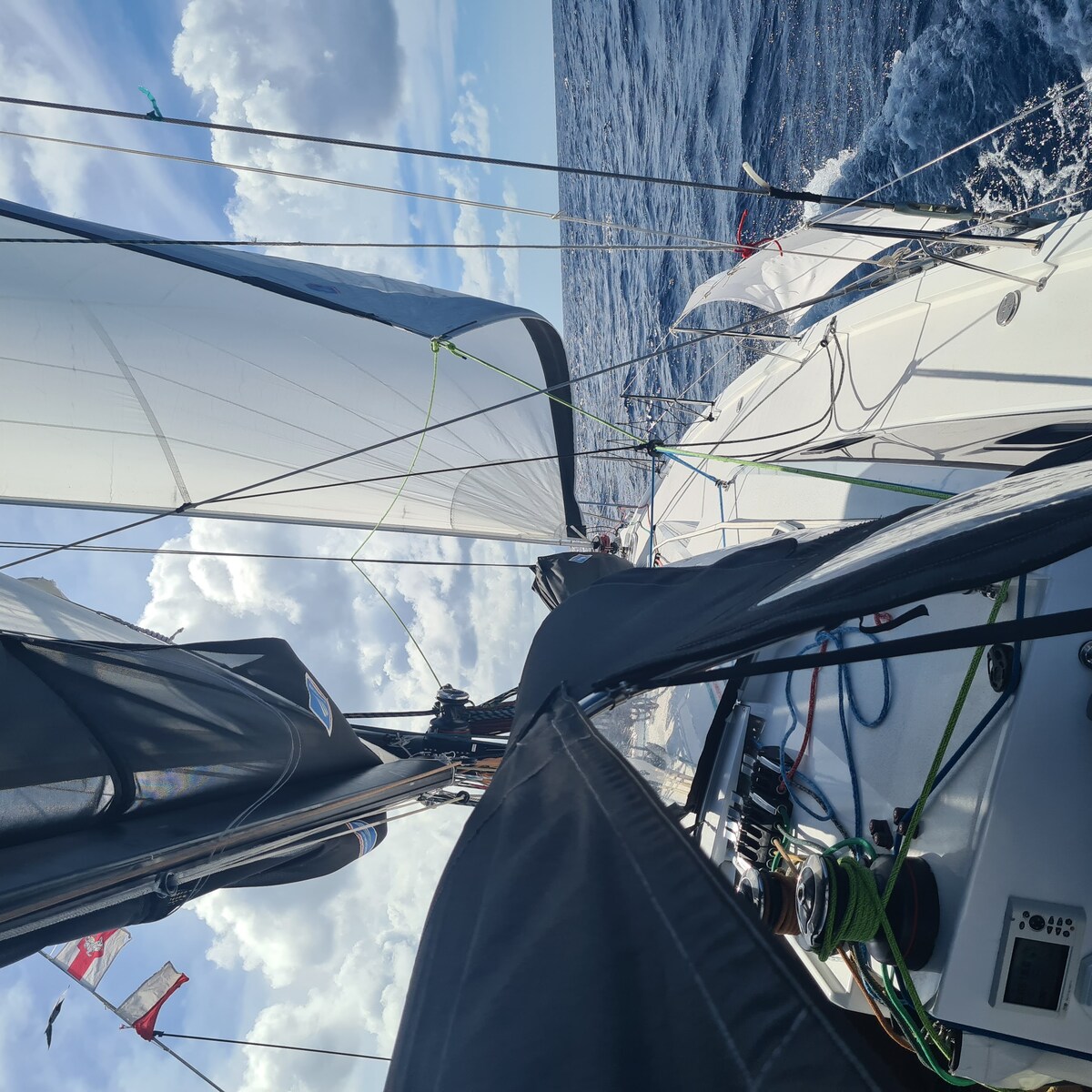
We hoisted sails early the next morning and, after a short training session for the less experienced crew, set our course toward St. Lucia. Conditions were favorable, and with a steady wind we quickly settled into a comfortable beam reach.
The crossing was swift and effortless. In just under 2.5 hours, we crossed the channel and turned toward Soufrière Bay, with the island’s dramatic coastline gradually coming into view.
Underway, attention shifted from sailing to planning. We discussed what we hoped to experience on St. Lucia—some crew members were drawn to well-known spots such as Marigot Bay and more refined locations, while others preferred nature, anchorages, and authentic Caribbean atmosphere.
As captain, my task was clear: to find a balance and make everyone happy. We exchanged ideas, listed priorities, and shaped a tentative plan for the days ahead. Time passed quickly with good conversation, and before we realized it, we were already approaching our anchorage.
Soon after, we arrived in Soufrière Bay, completing a short but rewarding passage and setting the stage for our exploration of St. Lucia.
-
Soufrière Bay – Under the Pitons
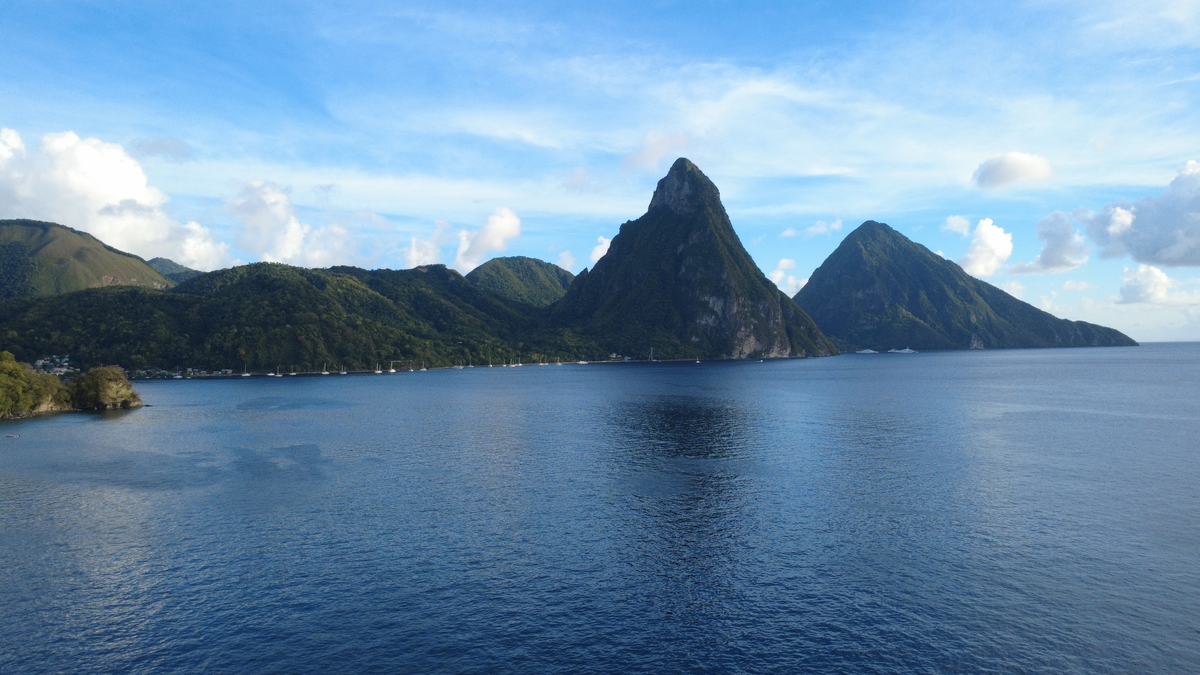
As our primary goal was Bequia, we decided not to go ashore in Soufrière and instead focused on finding a suitable place to stay for the night. Our intention was to pick up a mooring beneath Petit Piton, allowing us to enjoy the setting without interrupting our southbound schedule.
After some searching, we secured a mooring slightly away from the main bay, which turned out to be an excellent choice. The location offered clear water and surprisingly good snorkeling, making the stop both practical and rewarding.
Despite Soufrière’s reputation for lively evenings, the music from shore did not disturb our rest, and the night passed calmly beneath the towering volcanic cliffs.
Side note: The iconic Pitons are not only a natural landmark but also a cinematic one. In the original Superman movie, the area was used as the exotic setting where Superman searches for rare flowers for Lois—a small but memorable piece of film history tied to this dramatic landscape.
-
Day 3 – Fast Passage to St. Vincent
We did not waste any time the next day and set off early in the morning. Once again, sailing such a fast and agile yacht proved to be a pure pleasure. The POGO 44 quickly found her rhythm, accelerating effortlessly as we headed south.
With steady conditions, we crossed the channel in approximately 2.5 hours, and St. Vincent appeared almost sooner than expected. The passage was short, dynamic, and thoroughly enjoyable—one of those sails that reminds you why performance matters.
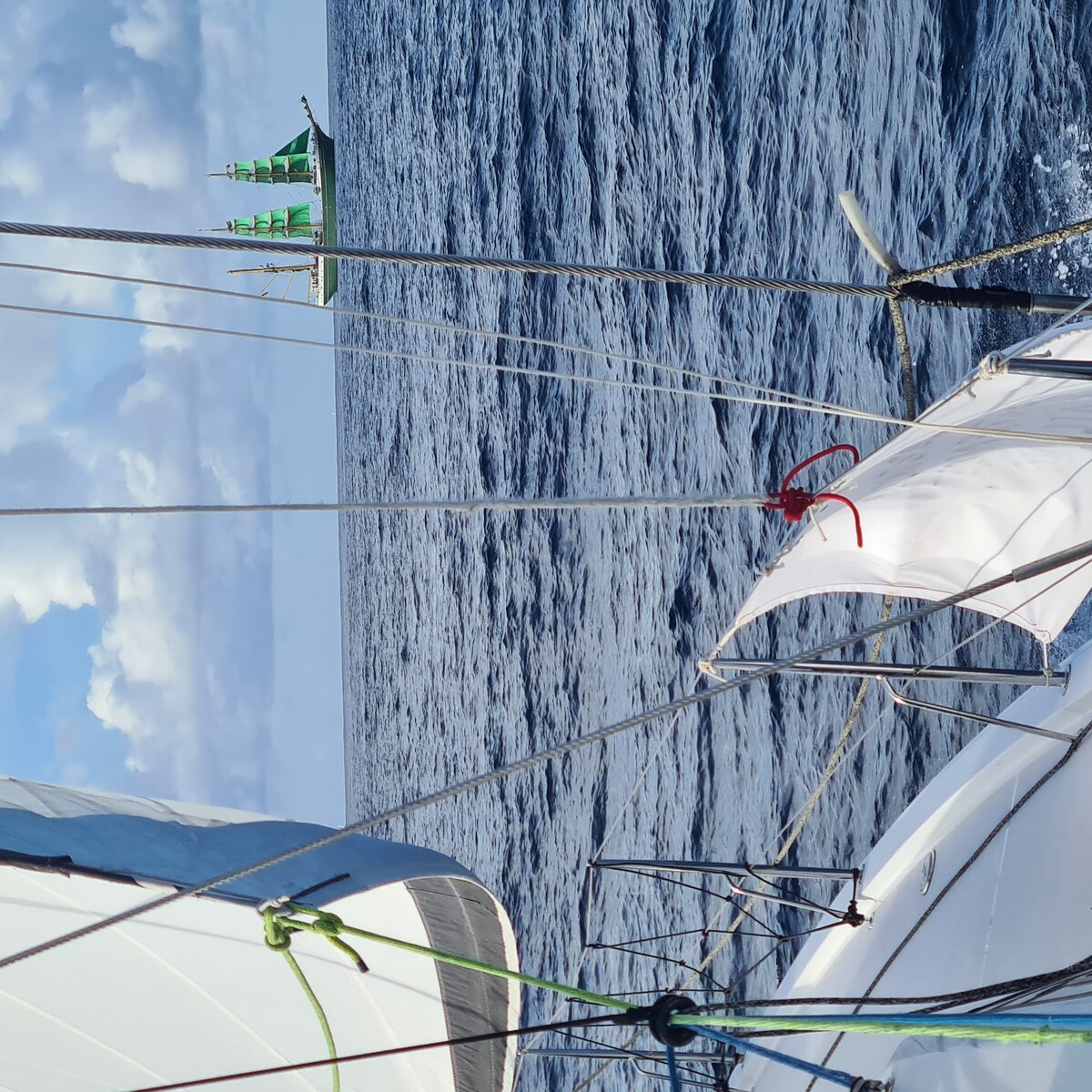
Underway, we were treated to a memorable encounter. Passing in the opposite direction was the impressive tall ship Alexander von Humboldt II, instantly recognizable by her distinctive green sails, heading north toward St. Lucia. Seeing such a vessel under sail was a highlight in itself.
The ship is a modern German training barque, built to educate future sailors in traditional seamanship. With her complex rig and numerous lines, she requires a large crew and constant coordination—an impressive but demanding way to sail. We admired her beauty, discussed what life on board such a ship must be like, and quietly appreciated the efficiency of our own setup, where a small crew and modern systems do the work of many hands.
The encounter added a touch of classic maritime romance to an otherwise fast and modern passage, and shortly afterward we were already approaching St. Vincent, ready for the next chapter of the voyage.
-
Passing Wallilabou Bay – A Glimpse of Pirate History
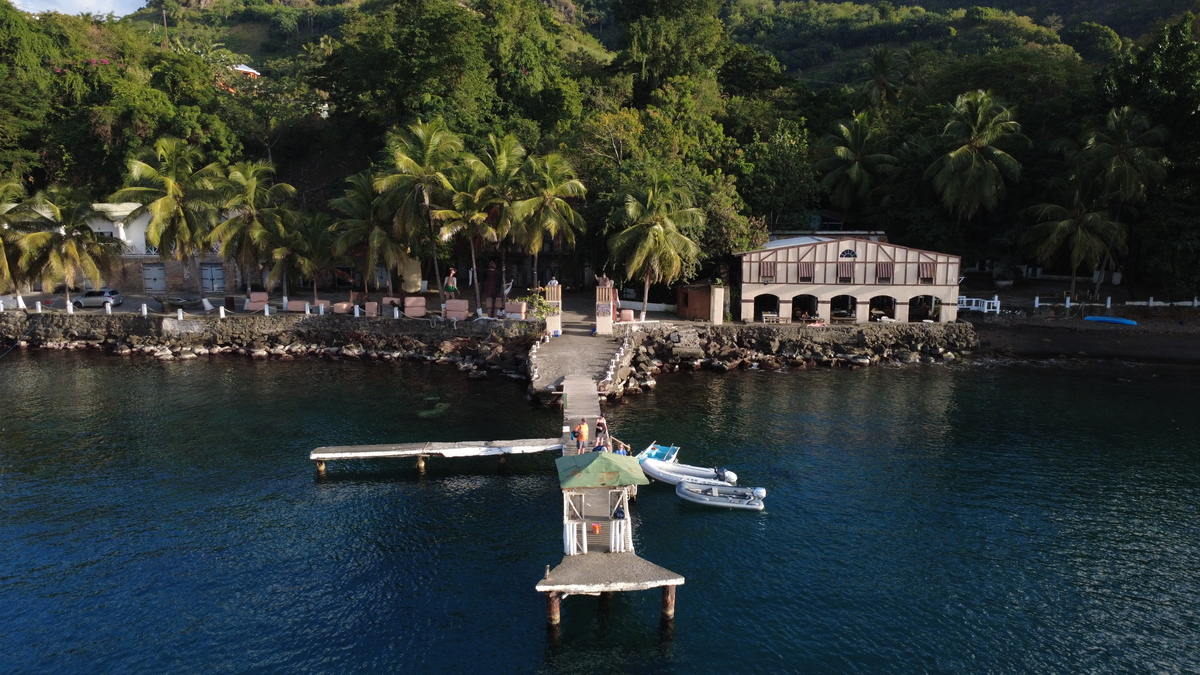
As we passed St. Vincent, we made a short detour into the famous Wallilabou Bay, instantly recognizable to fans of Pirates of the Caribbean. The bay’s iconic buildings and rustic quay evoke the cinematic scenes of Captain Jack Sparrow and his adventures, making it a fun and picturesque stop even from the water.
It is always pleasant to see these landmarks in person, especially knowing that the customs and immigration office is located here, meaning no visiting sailor can completely avoid the bay when clearing formalities. For our southbound passage, however, we did not stop—our plan was to return later, allowing for a proper visit on the way back.
Wallilabou Bay has a rich history beyond its cinematic fame. Once a bustling pirate haven during the colonial era, it later became a small fishing village. Today, it retains a charming, slightly rugged character that captures the imagination of every sailor passing through.
After taking in the views and snapping a few photos from the deck, we continued our southbound journey toward Bequia, eager to reach our first official port of entry.
-
Arrival at Bequia – Port Elizabeth
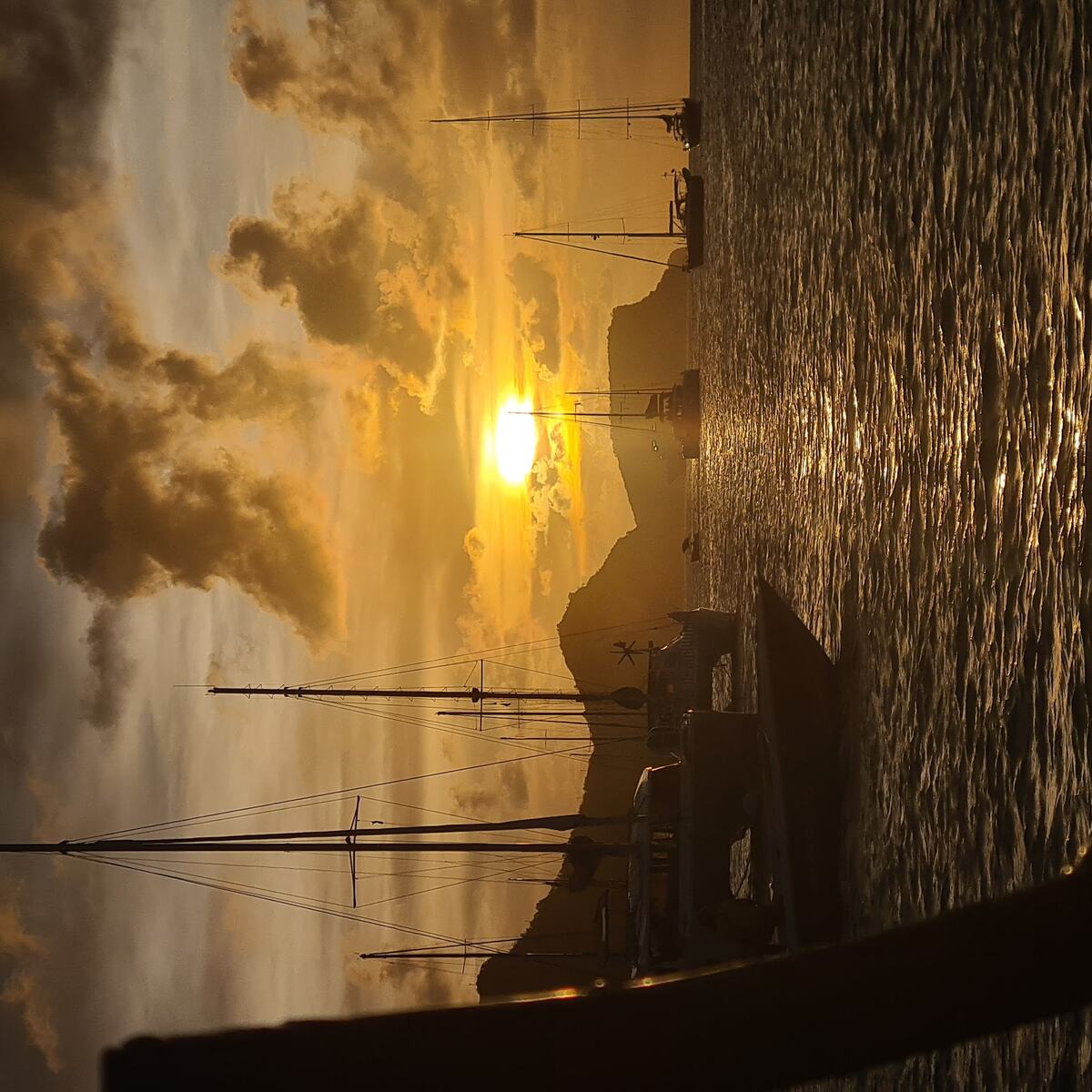
By early afternoon, we arrived at Port Elizabeth, a lively and charming town on Bequia. We managed to secure a mooring ball conveniently close to the town, making it easy to access the local streets and waterfront.
As the customs and immigration office had already closed for the day, we took the evening to relax and soak in the atmosphere. We enjoyed the sunset over the harbor, felt the heartbeat of the town, and called it a day. Formalities and a proper exploration of the island were planned for the following morning.
-
Bequia Exploration and Departure to Tobago Cays
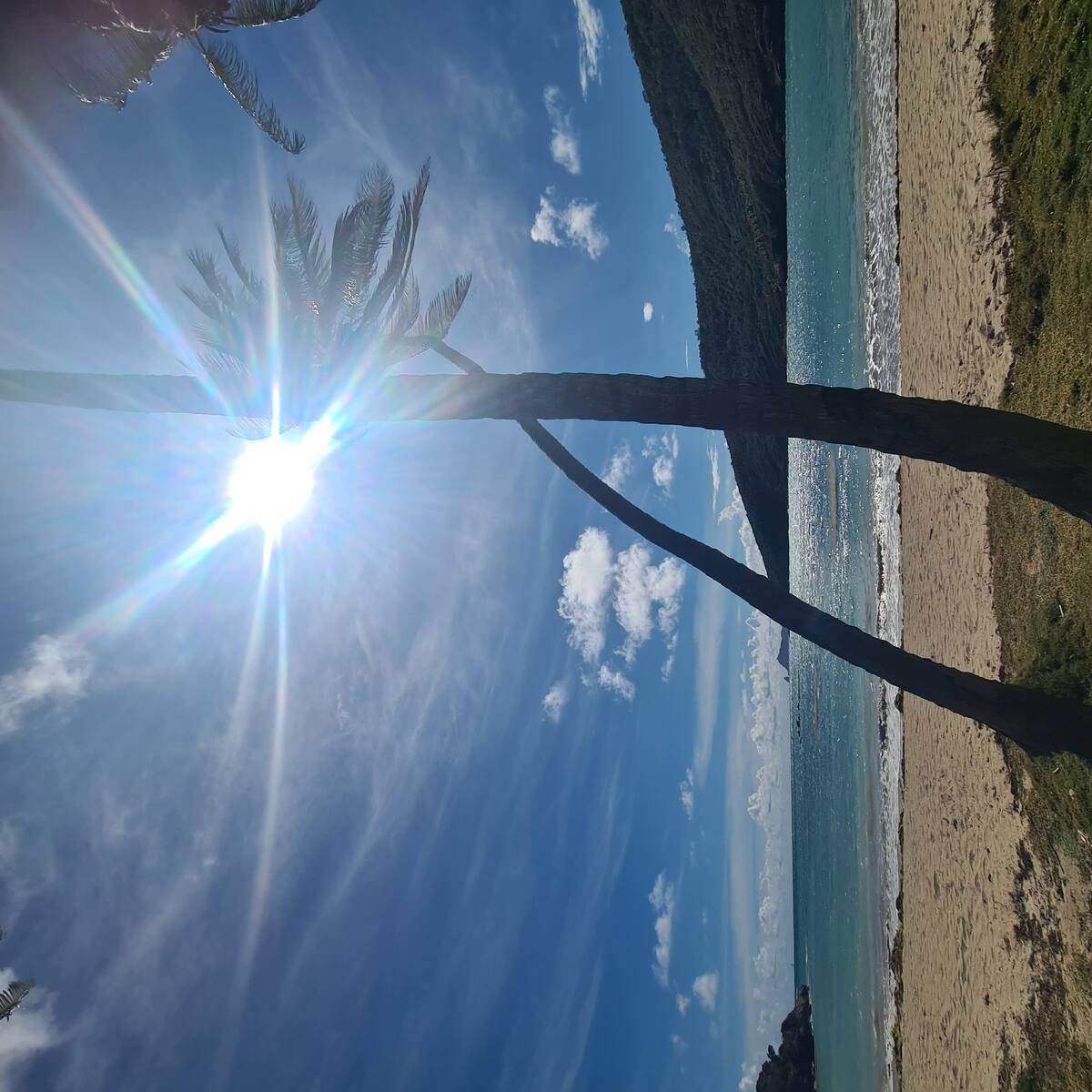
The next morning, we cleared customs and immigration formalities and set out to explore Bequia before our afternoon departure to the Tobago Cays. With limited time, we hired a local taxi to drive us across the island, giving us a glimpse of its hidden corners and quieter neighborhoods.
The ride was delightful. We saw parts of the island that most visitors never reach unless they stay for several days—secluded beaches, small villages, and lush landscapes tucked away from the main roads. Even with just a few hours, it was rewarding to experience this authentic side of Bequia.
Historical note: Bequia has a rich maritime history. The island was once a major center for whaling and boatbuilding, and its residents are known for their skilled craftsmanship and deep knowledge of the sea. Many of the traditional boats still seen around the island are built using techniques passed down for generations, giving a sense of continuity with the island’s past.
Once our short exploration was complete, we set off for the Tobago Cays, often regarded as the most beautiful destination in the Grenadines, renowned for its turquoise waters, coral reefs, and pristine beaches.
-
Tobago Cays – Beach BBQ, Snorkeling, and Turtles
Upon arrival at the Tobago Cays, we dropped anchor slightly away from the protected turtle sanctuary, but conveniently close to the famous BBQ Beach. The evening was dedicated entirely to relaxation: music, a fresh lobster barbecue, and admiring the spectacular Caribbean sunset. The beach was alive with cruisers from around the world, laughter, wine, music, and dancing—a quintessential Grenadines experience.
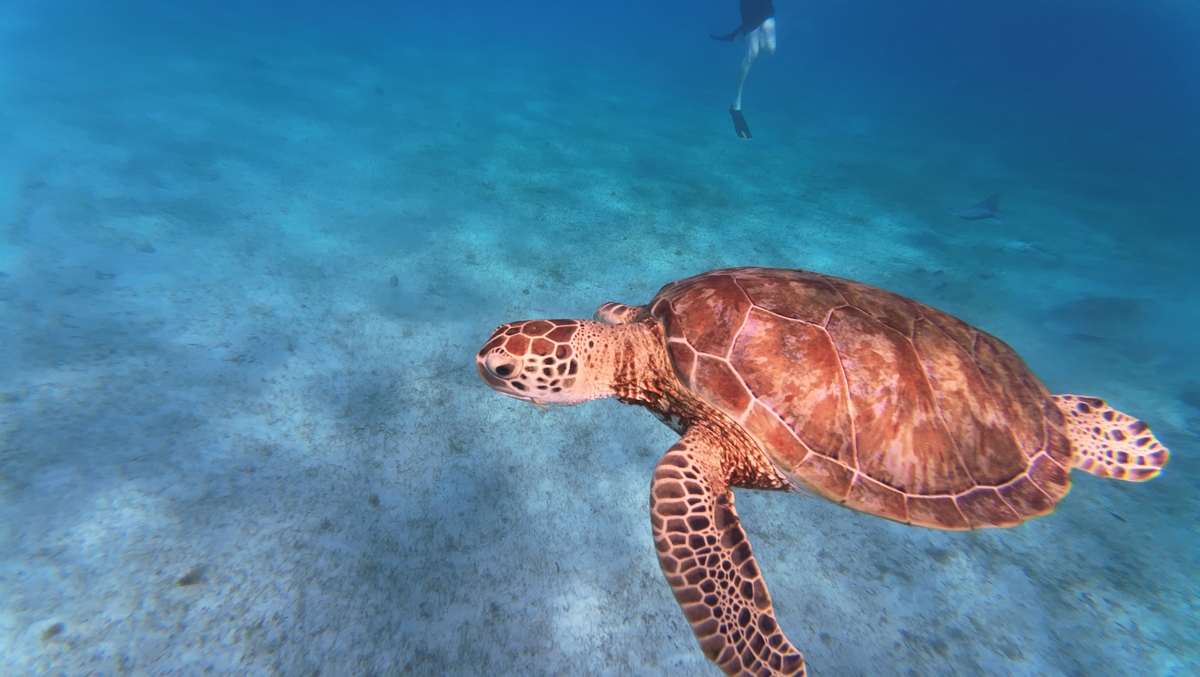
The following morning, we moved to a mooring ball near the prime snorkeling spot. Here we were lucky to share the water with numerous sea turtles and rays, gliding gracefully through the crystal-clear shallows. We made sure to observe respectfully, remaining guests in their environment rather than intruders, and were captivated by their elegance and serenity.
The Tobago Cays are a protected marine park, famous for their pristine coral reefs, white sand cays, and shallow turquoise waters that create perfect conditions for snorkeling. The combination of natural beauty, wildlife, and vibrant cruising community makes it one of the most remarkable places in the Grenadines.
Although the Cays invited lingering and exploration, we had other plans for the evening: a visit to the renowned Basil’s Bar on Mustique, trading the relaxed beach scene for music, cocktails, and island nightlife.
-
Canouan Island – A Hidden Gem
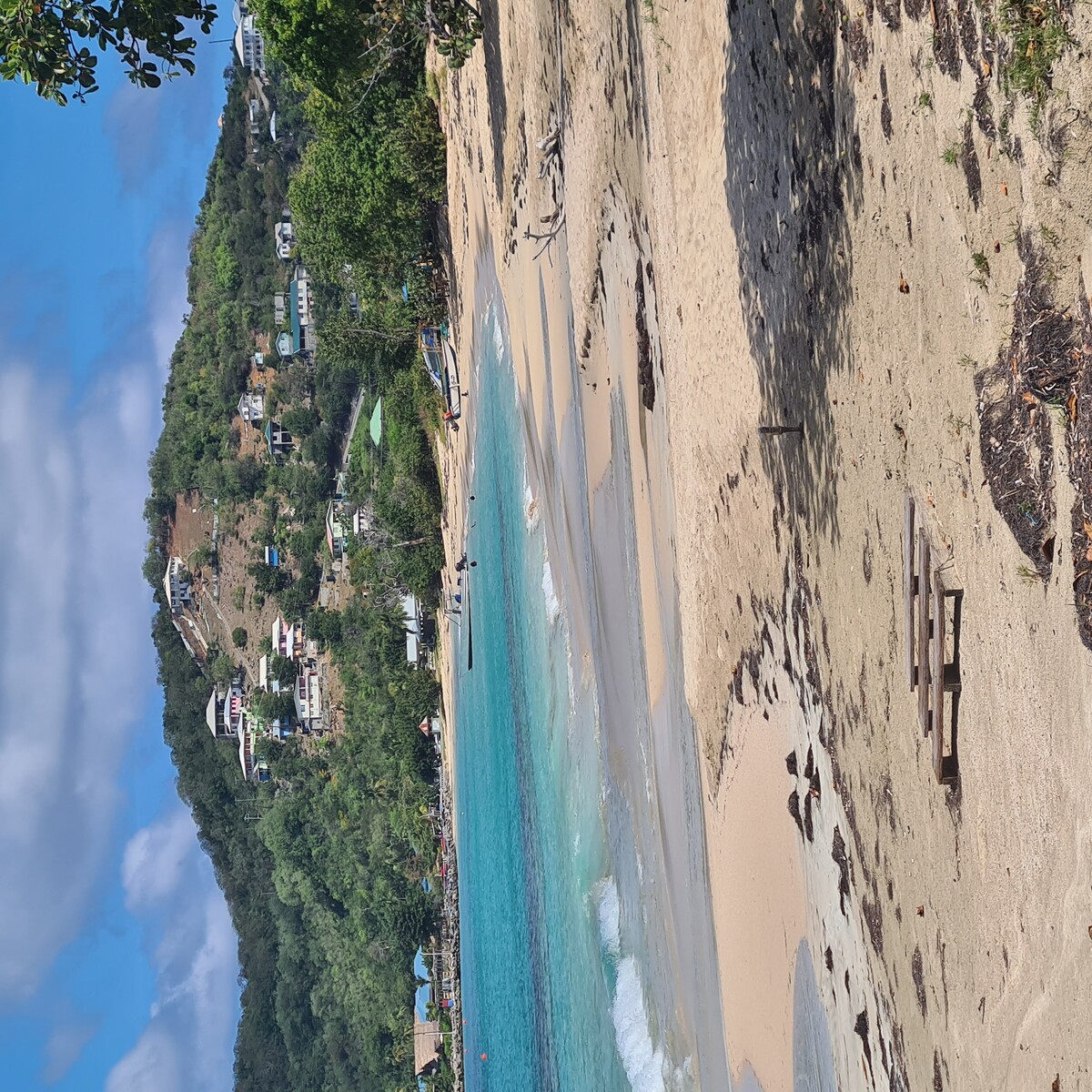
Although our main destination was Mustique, we decided not to skip Canouan Island on the way. Passing the airport and the marina, we headed toward the main bay and secured a mooring ball for a short stop.
Once ashore, it became clear that Canouan is an undervalued gem. The island offers a perfect combination of pristine beaches, a charming local village, and a few upscale resorts. Here, one can enjoy both luxury and authentic Caribbean atmosphere, all in a remarkably compact area.
It was a shame that we had only a few hours to explore. With more time, Canouan would deserve at least a full day to truly appreciate its hidden coves, coral reefs, and relaxed charm. Next time, it is certain we will linger longer.
Historical note: Canouan has a rich history dating back to Amerindian settlement and later colonial times. It was traditionally known for small-scale agriculture, fishing, and boatbuilding, with a maritime culture similar to other Grenadine islands. Today, despite luxury developments, the island still retains elements of its authentic heritage and local lifestyle.
-
Mustique – Basil’s Bar Night
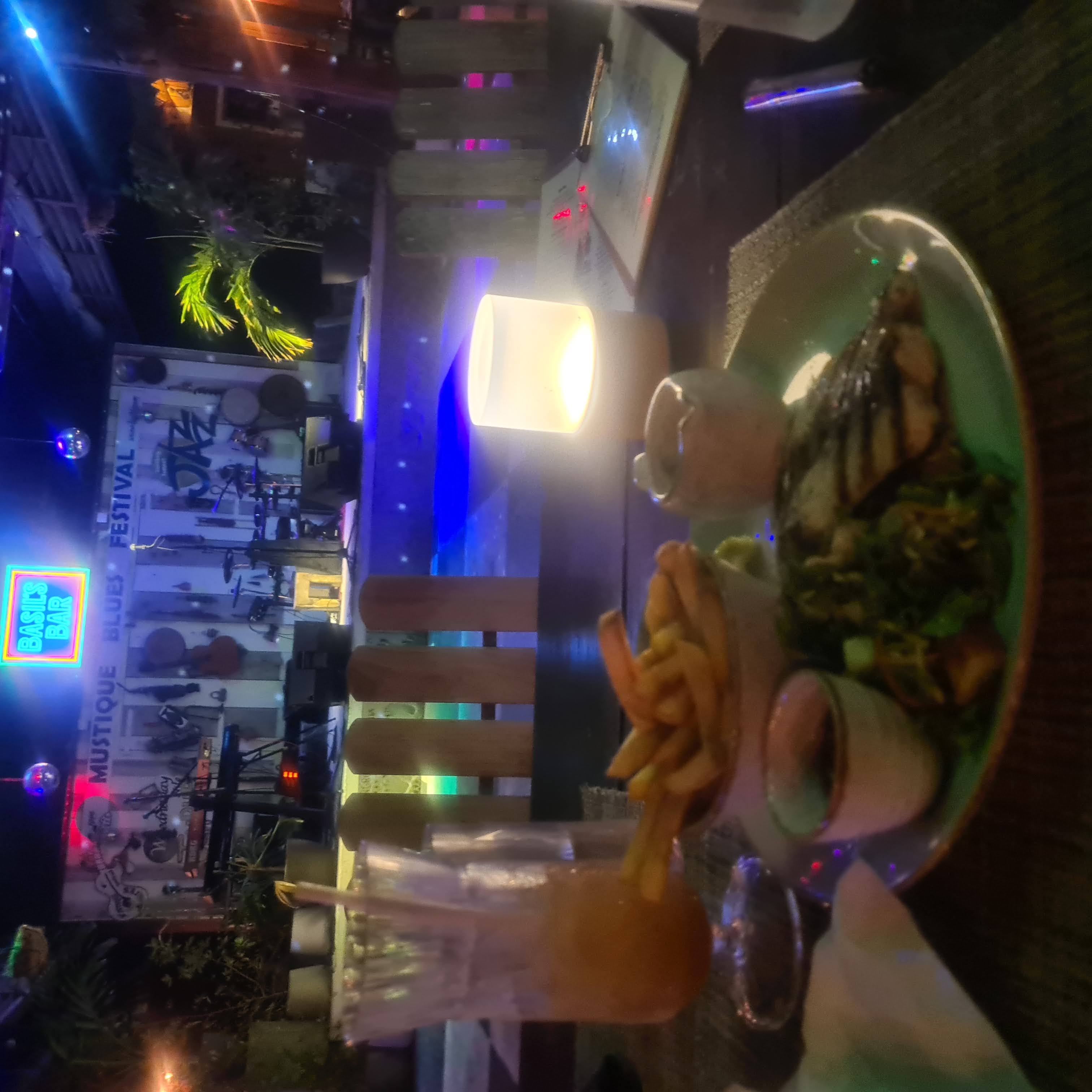
Upon arrival in Mustique, we changed into our fanciest shirts and headed straight to the famous Basil’s Bar. Known worldwide as an iconic island hotspot, the bar has been a gathering place for sailors, celebrities, and locals since the 1960s. Every Wednesday, live music and dancing create an unforgettable atmosphere, and we were eager to be part of it.
While waiting for the band to start, we enjoyed expertly crafted cocktails and a perfectly prepared mahi-mahi dinner. The evening quickly transformed into a lively party, filled with music, dancing, and the unique energy of Mustique’s private island charm.
The celebration went deep into the night, and we fully embraced the festive spirit. Mustique itself is a private island with a fascinating history, once purchased by a group of investors in the 1950s and since known as a retreat for royalty, celebrities, and artists. Basil’s Bar embodies the island’s blend of exclusivity, creativity, and casual Caribbean fun, making it a highlight of any sailing trip in the Grenadines.
-
Mustique – Morning Walk and Island Exploration
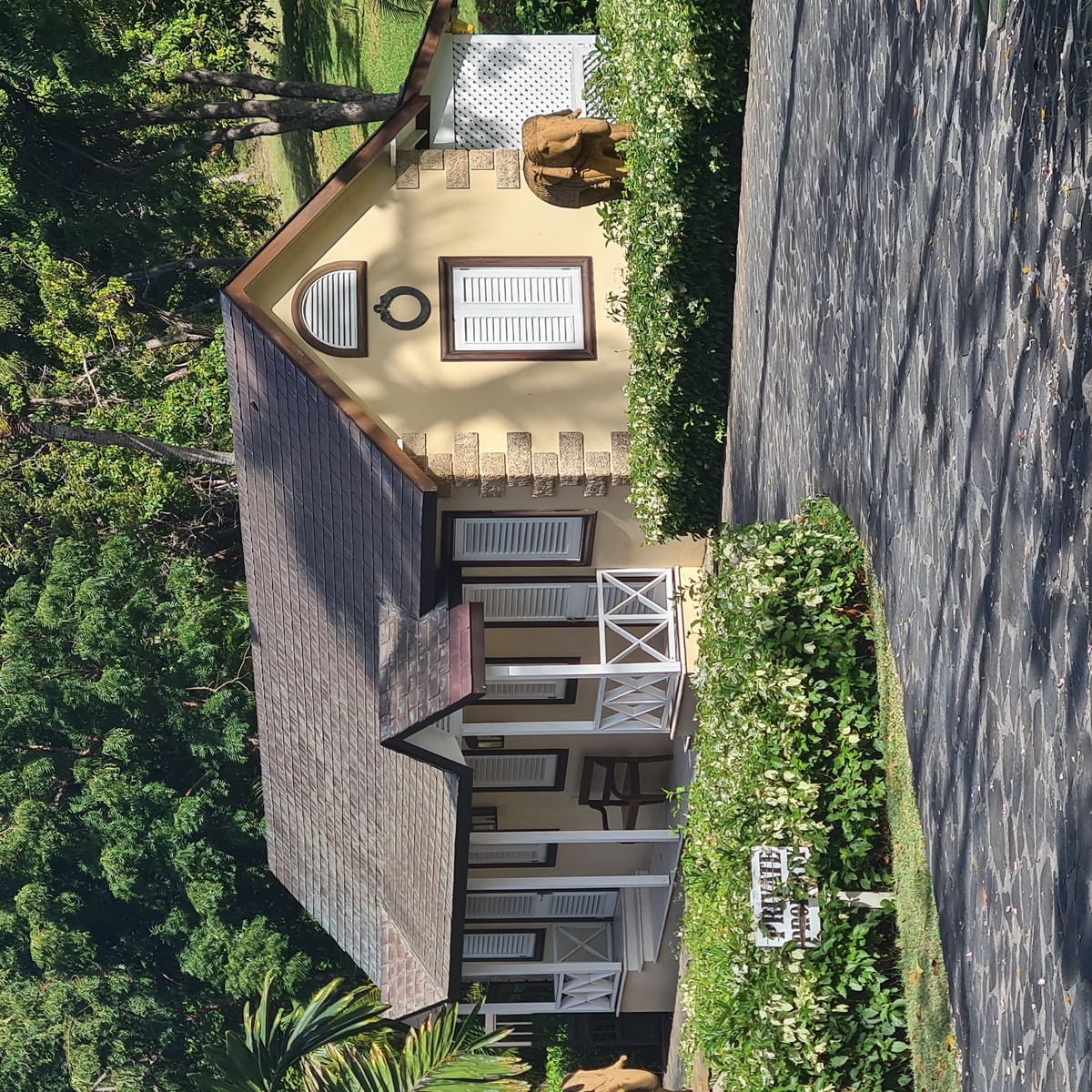
Although Mustique is best known for Basil’s Bar, we decided to dedicate the morning to exploring the island a little more. From the start, it felt a bit like stepping into a fairy tale—every building was picturesque, quaint, and perfectly maintained.
We stopped for coffee at a small shop where the interior made us feel as if we were in a dollhouse, charmingly detailed and inviting. Walking along the roads, we admired the care and attention people put into the island’s upkeep. At times, the island did feel a little overly pristine, almost sterile, but perhaps that was only our impression.
To wrap up our brief visit, we enjoyed a refreshing drink on the beach, taking in the sun and scenery one last time before returning to the yacht to continue our southbound journey.
-
Return to St. Vincent – Wallilabou Bay and Sunset
After exploring Mustique, we hoisted sails and headed back toward St. Vincent. Sailing upwind was a bit bumpy at first, but soon we found the rhythm of the waves and settled into a steady pace, averaging around 10 knots. Once we rounded Bequia and picked up a beam reach, our beautiful POGO 44 truly showed its capabilities—we hit the speed record for this journey at 14.6 knots! Being in the lee of St. Vincent, the seas were calm, making the ride smooth and exhilarating. The downside of such speed? The journey was over quickly, arriving earlier than expected!
We proceeded to our planned stop at Wallilabou Bay, where a local sailor helped us secure a mooring in a unique style—bow anchor and shore lines, reminiscent of a Mediterranean or Roman-Catholic Grecian technique. A perfect fusion of Mediterranean methods and Caribbean charm.
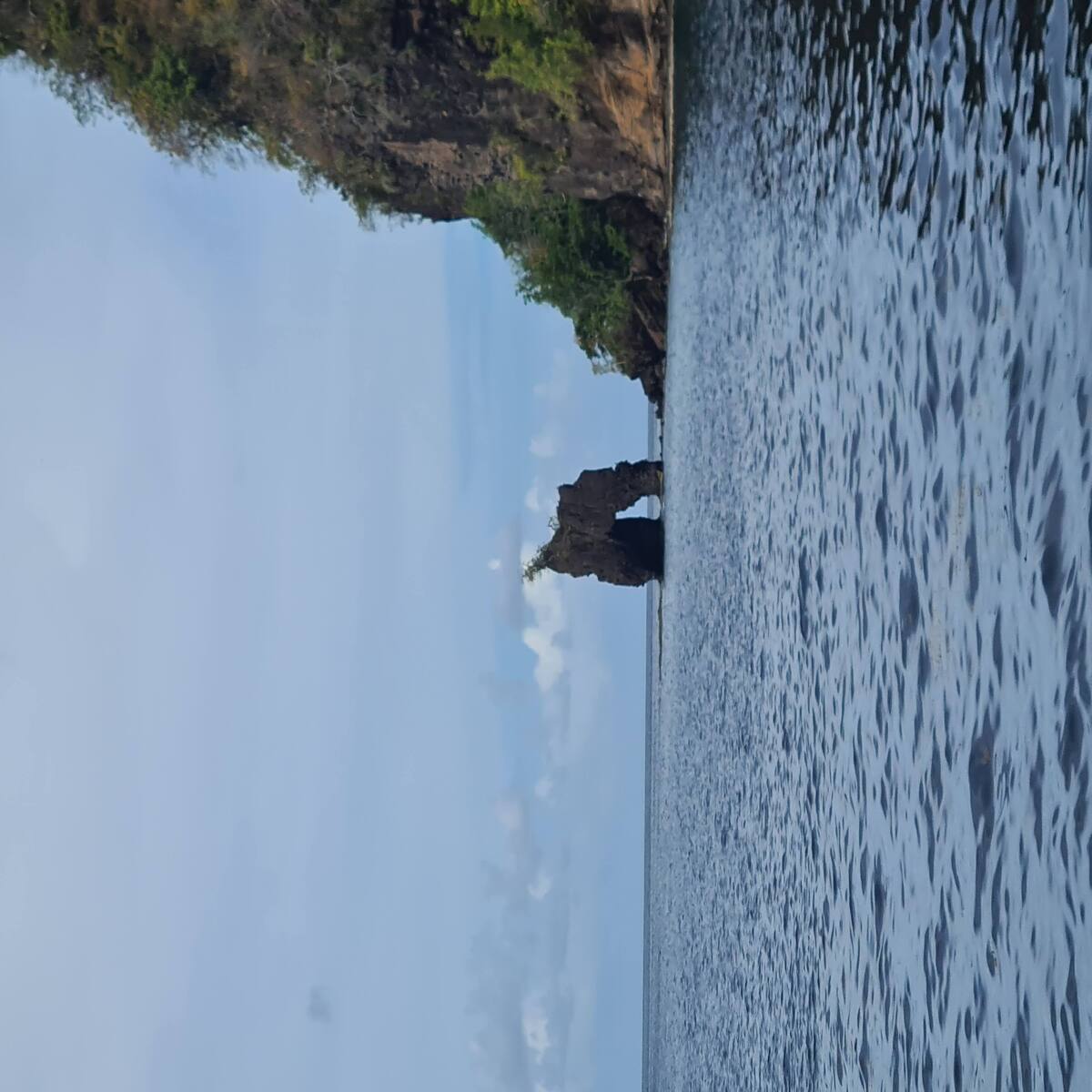
With enough time to clear customs and formalities, the rest of the evening was ours. On the horizon, the iconic Jack Sparrow “arc rock” framed the sunset, creating a truly magical scene.
Historical note: Wallilabou Bay gained worldwide recognition as a filming location for the first Pirates of the Caribbean movie in 2003. The iconic scenes featuring Captain Jack Sparrow docking and interacting with the villagers were shot here. Many of the bay’s buildings were constructed specifically for the film and have been preserved or restored, blending cinematic history with real Caribbean life.
-
Wallilabou Bay – Evening Visitor and Snorkeling Attempt
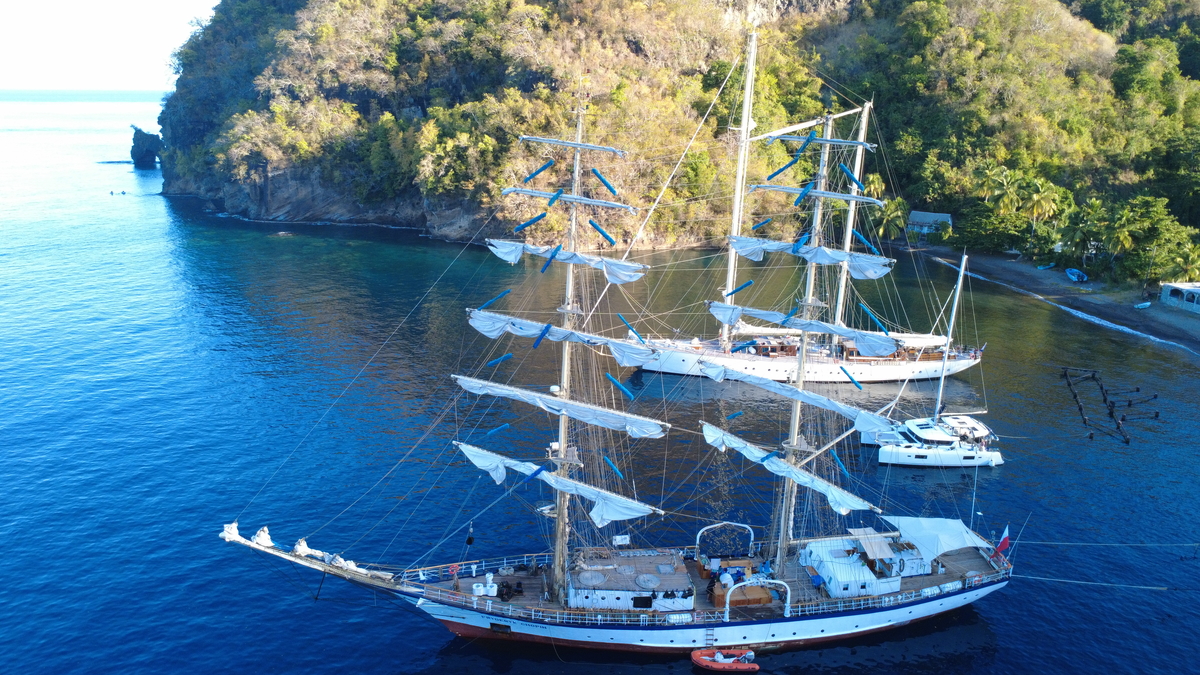
During the night, Wallilabou Bay welcomed another notable visitor: the fully rigged Polish tall ship Fryderyk Chopin. We had the pleasure of a brief chat with her crew, learning about their journey and the ship itself. It was inspiring to see such a beautiful traditional vessel in the calm bay, a striking contrast to our agile POGO 44.
Following this, we headed toward the nearby arc-rock for snorkeling, enticed by the clear water and the promise of marine life. Unfortunately, the spot did not live up to expectations—while we saw some fish and a few corals, it was far less impressive than anticipated.
After a short lunch on board, we set sail again, continuing our northbound journey toward St. Lucia.
Historical note: The Fryderyk Chopin is a Polish sail training ship, launched in 1992. She is a full-rigged brig, designed for teaching seamanship and navigation to cadets and sailing enthusiasts. Her elegant lines and classic rigging make her one of the most recognizable tall ships in the Baltic and Caribbean, continuing the proud tradition of Polish maritime training and heritage.
-
St. Lucia – Soufrière Bay Arrival
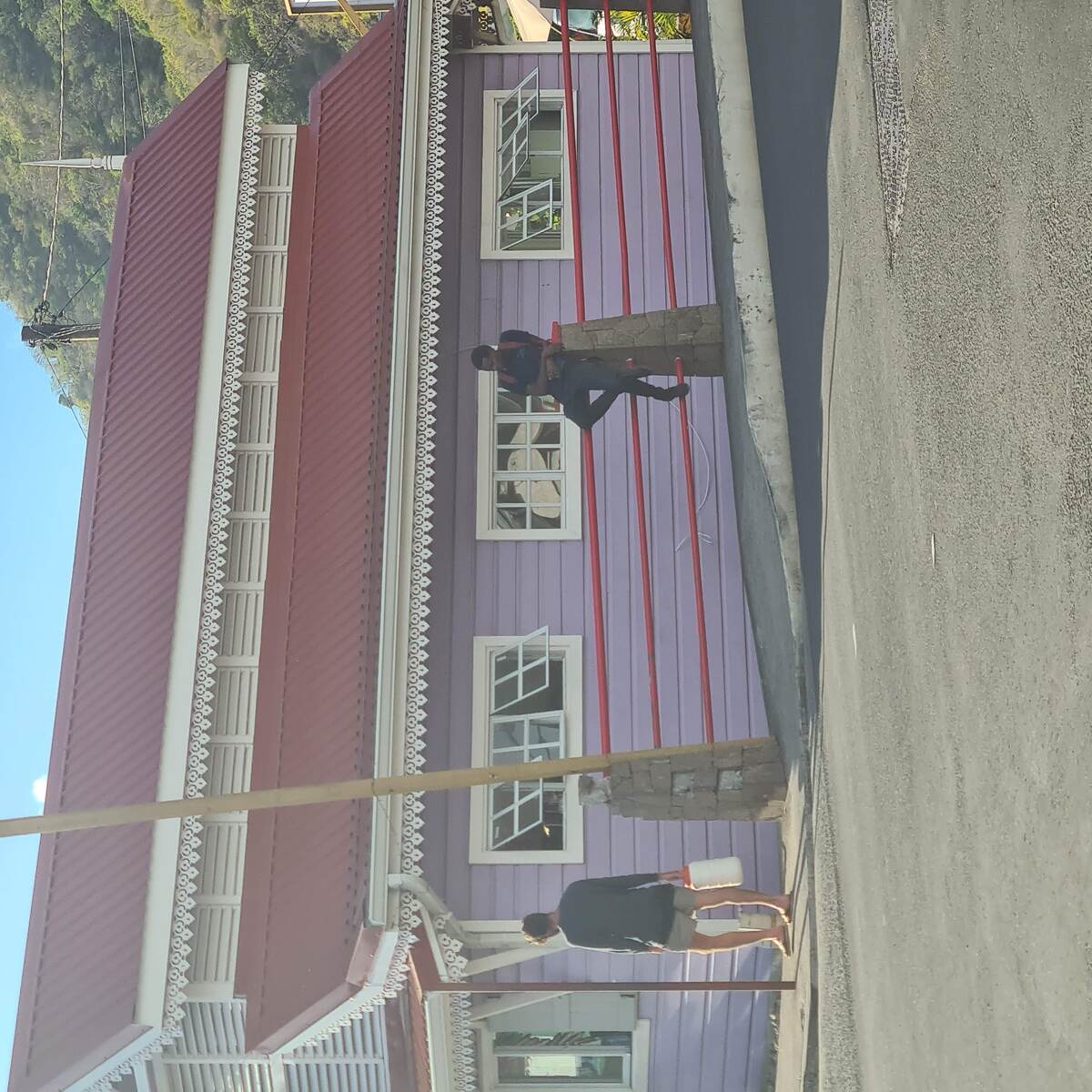
After lunch, we set off for St. Lucia. With sails up, the steady wind pushed us along at around 10 knots as we returned to Soufrière Bay. This time, we ventured deeper into the bay and secured a mooring ball from a friendly local, perfectly positioned for both convenience and scenery.
Since I needed to handle customs clearance, we went ashore and immediately felt the authentic Caribbean rhythm: music, street food, and the lively heartbeat of Soufrière. We attempted a walk to the Piton Falls, but a sudden rain shower forced us to turn back, leaving us only at the viewpoint overlooking the bay. Even so, the view was magical—lush volcanic peaks, turquoise water, and the dramatic Pitons framing the horizon.
What I love most about the Caribbean is its authenticity. Every person, every street, every corner seems perfectly composed, like a natural set for photography. Much of my time here is spent taking photos and enjoying fresh coconut water, capturing the essence of these islands while savoring their laid-back lifestyle.
-
St. Lucia – West Coast Exploration: Anse Chastanet and Marigot Bay
The next morning, we spent a little more time in Soufrière, but soon set off to explore the west coast of St. Lucia, slowly making our way north. Our first discovery was just around the corner: Anse Chastanet, a small bay with a resort and, to our delight, a hidden coral garden! Moorings were available and free to use, so we quickly secured one and jumped into the water. The underwater scenery was majestic—a true discovery that set the tone for the day.
After hours of swimming and snorkeling, we continued along the coast and made a brief stop at Anse Cochon. While scenic, it was less impressive than our previous stop, with fewer coral formations and marine life to explore.
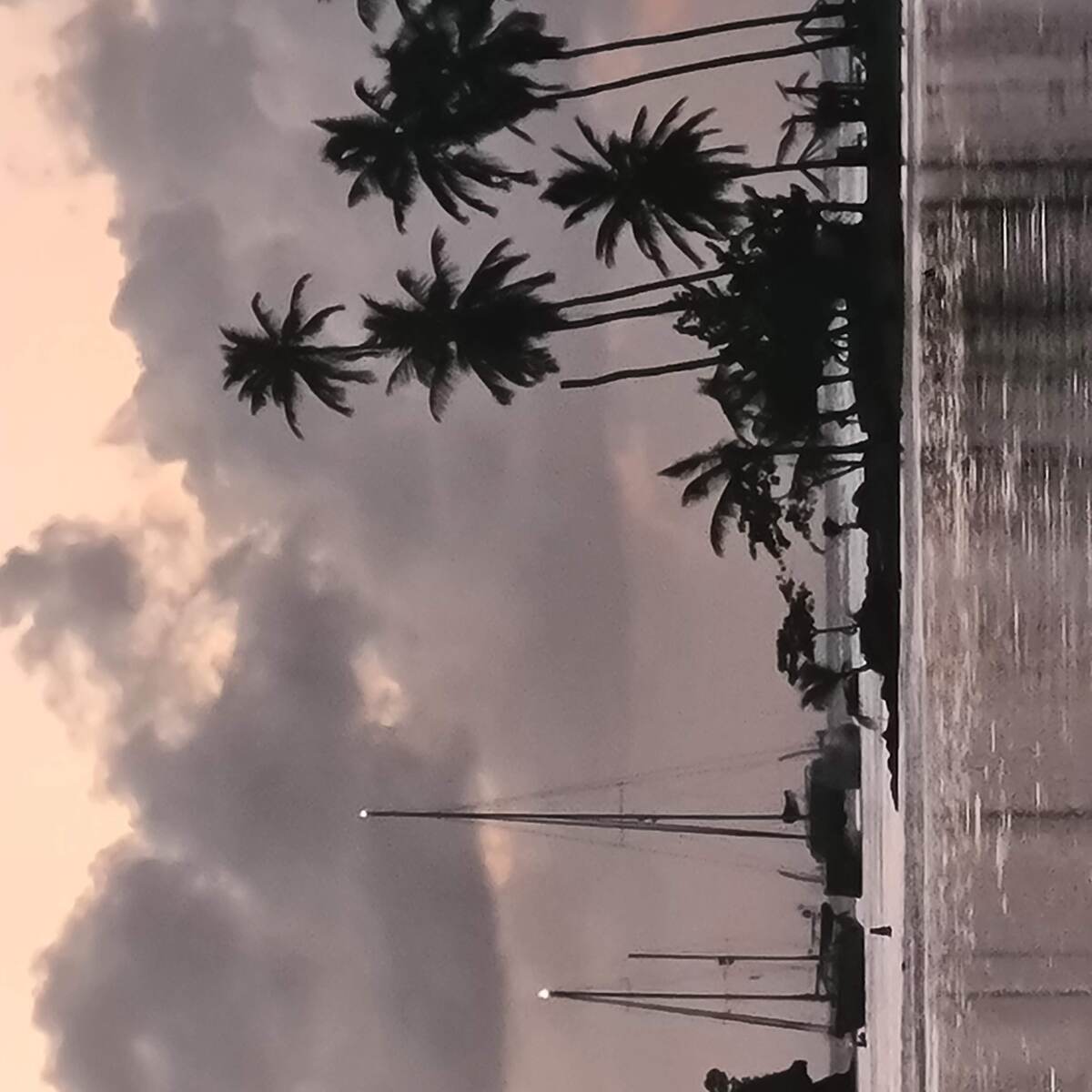
In the evening, we arrived at the renowned Marigot Bay, famous for its luxury, fine dining, and natural beauty. We picked up a mooring and spent the evening relaxing, soaking in the views and atmosphere of this celebrated anchorage.
The following morning, we traded snorkeling for hiking. A trail led us up the hill above the bay, offering stunning panoramic views over the sheltered waters and surrounding hills—a refreshing change of pace and a different way to appreciate the beauty of St. Lucia.
-
Rodney Bay – Marina Life and Local Flavor
The next day, after our hike and a relaxed coffee at a local restaurant, we cast off and headed north toward Rodney Bay Marina. As promised earlier in the journey, we secured a berth in the marina after a short radio call. Once alongside, I completed the remaining clearance formalities in preparation for our departure the following day.
Rodney Bay Marina is a central hub for cruisers in the Eastern Caribbean. Well equipped and professionally run, it offers all essential services, along with restaurants, shops, and even a swimming pool—making it a popular meeting point for sailors arriving from or heading toward the wider Caribbean.
We spent time exploring the nearby town, which felt quite different from Soufrière, yet still full of Caribbean flair. The streets were lively, the atmosphere relaxed, and the mix of locals and sailors gave the area a distinctly international feel.
In the evening, we dined at a local restaurant, enjoying traditional food and reflecting on the journey so far.
Historical note: Overlooking Rodney Bay is Fort Rodney, part of Pigeon Island National Park. Built by the British in the 18th century, the fort played a key role in controlling the surrounding waters. From here, Admiral George Rodney famously observed the French fleet before the Battle of the Saintes in 1782. Today, the ruins offer sweeping views and a tangible link to St. Lucia’s colonial and naval history.
-
Final Day – Fort Rodney and Return to Martinique
The next morning, we visited Fort Rodney, taking time to explore the ruins and learn more about its history and strategic importance. Standing above the bay, it was easy to imagine how this vantage point once controlled the surrounding seas and shaped the naval history of the Caribbean.
Around noon, we departed for Martinique. The passage was fast and pleasant, and by now we were completely familiar with the POGO 44—a yacht that proved herself once again as a joy to sail: responsive, powerful, and comfortable even on longer legs.
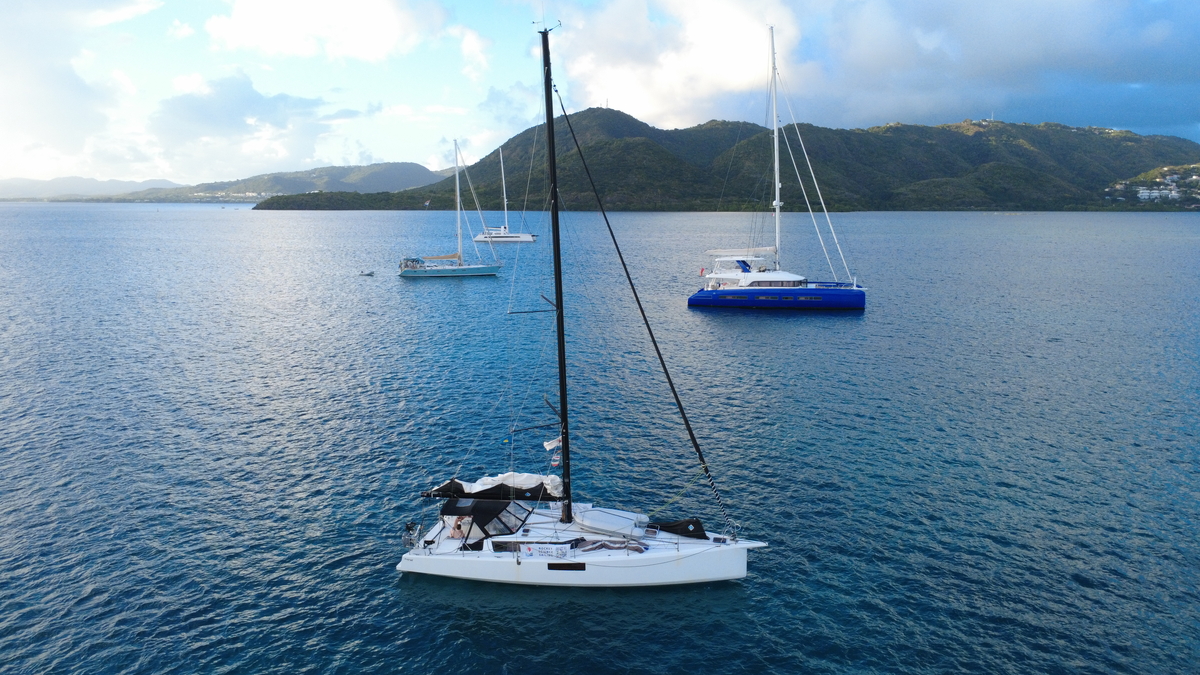
As is tradition, before arriving in La Marin we dropped the hook in St. Anne Bay for a final swim. Having already bunkered diesel in Rodney Bay Marina, there was no rush. We stayed until sunset, hoping to catch the famous green flash. We had seen it once before in Bequia—or at least we believe we did—and once again kept our eyes on the horizon as the sun dipped into the sea.
Side note: St. Anne is one of Martinique’s most beloved anchorages, known for its long sandy beach, shallow turquoise water, and relaxed atmosphere. A favorite among cruisers, it serves as both a welcoming gateway and a gentle farewell to Caribbean sailing—a perfect place to pause, swim, and reflect before returning to the marina.
Here is also a short summary as a cheeryfull video. Enjoy!
Conclusion
Looking forward to come to the Caribbeans Islands again!